

ADHD and finding your Joy
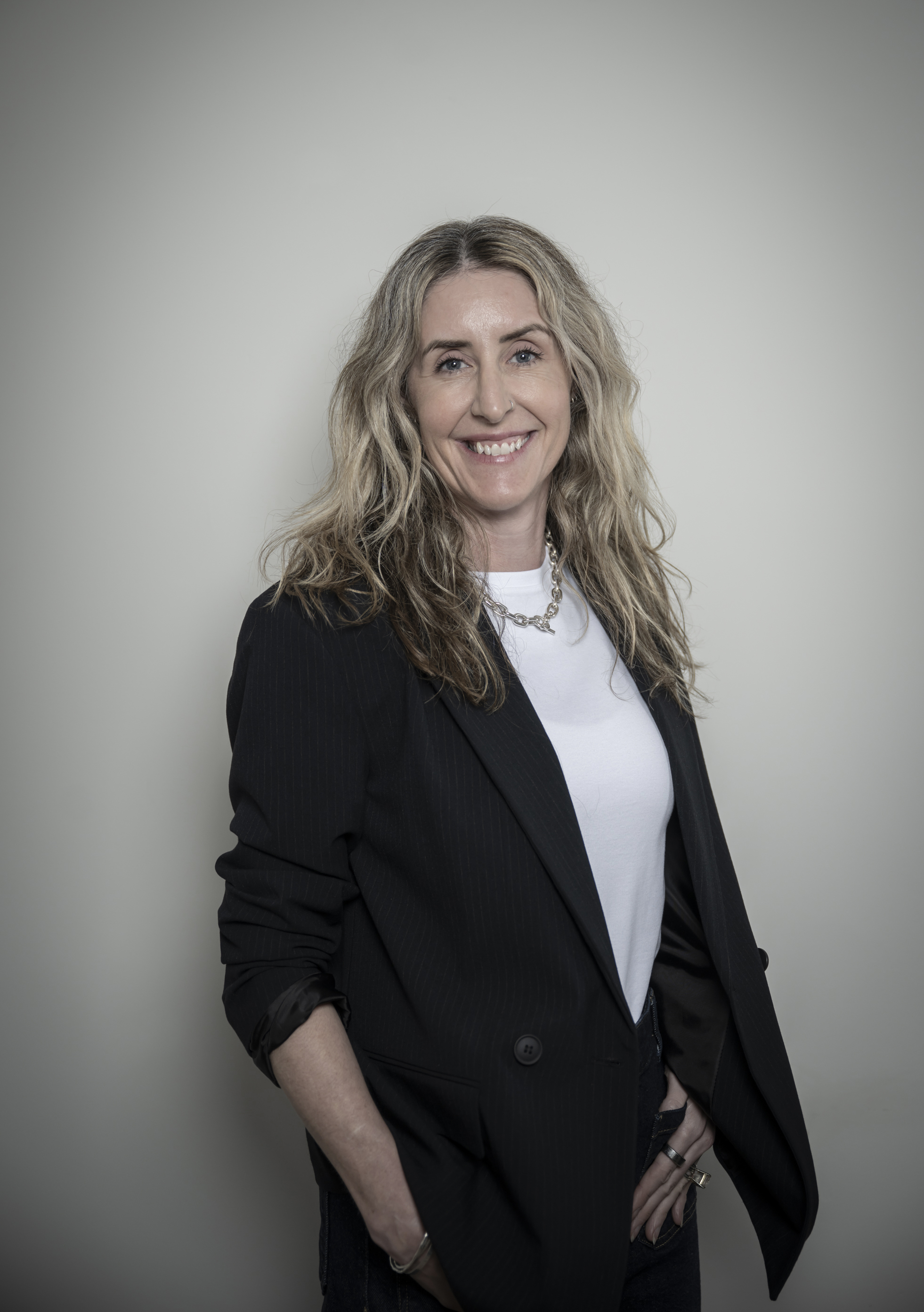
There was a version of my life in the past that looked, from the outside, like someone who had it together. I ran a successful creative agency, I was a busy, capable, working mum. What I did not realise was that I had built that life so effectively around my brain that I had lost sight of what actually brought me joy.I had become an A-grade masker, brilliant at making things look perfect from the outside, whilst the slow, almost imperceptible process of becoming very good at functioning, whilst putting aside the things that made me feel most like myself.

The thing I told myself I had grown out of
I genuinely loved the dance music industry, going back to the days of DJing at parties in the 90s, raves and working at the Ministry of Sound, where the dancefloor and the BPM of the music did something to me that I could not have named at the time but now understand completely. It regulated my nervous system and brought me back to myself in a way that almost nothing else did.
Somewhere along the way I decided that version of me was not compatible with the version I was building. I could not be that person and also be taken seriously. I definitely could not be a DJ in my forties. What brought me joy was not, I had concluded, somehow valid. So I let it go, and I got on with things, and I became very accomplished at a life that left a significant part of me sitting in a box somewhere.
My ADHD diagnosis came as an adult. Like a lot of people who are diagnosed later in life, it reframed a great deal: the exhaustion of years of masking, the gap between effort and output, the career choices that suddenly made a different kind of sense. The initial response, as many of my clients will recognise, was something close to "OMG, of course." Followed, fairly quickly, by "but now what?"
The gradual, uncomfortable process of asking better questions
The shift that followed my diagnosis was not sudden - it was more like a slow and sometimes uncomfortable set of realisations. I started asking myself who I actually was now, who had I always been. What made me feel like myself. What I had been carrying that was genuinely mine, and what I had picked up along the way because it seemed like the right thing to do.
I stepped back into DJing, properly, in my forties, which was one of the most uncomfortable and most worthwhile things I have done. Will everyone laugh at me? Can I even do it? Will I look stupid? Learning a new skill and stepping out of your comfort zone at a point in your life when you are supposed to have everything figured out is humbling in a way that turns out to be rather good for you.
What came back, when I gave it permission to, was not just the joy of the music. It was the regulation, the focus and the sense of being entirely present in a way that my brain, it turns out, is genuinely capable of when the conditions are right. It was to me, one of the clearest demonstrations of what ADHD actually looks like when it is working with you rather than against you.

What this means for how I work
I tell this story not because every client needs to take up DJing, but because the pattern in it is one I see repeatedly. The thing that got set aside. The version of yourself that felt somehow not valid, not professional, not appropriate for the life you were trying to build. The impact of all that suppression and people pleasing, and what becomes possible when you start asking more honest questions and stepping into an identity that feels less like masking and more like you. Learning to find your joy every day.
As an ADHD coach with a background in positive psychology, coaching psychology and attachment theory, my approach is grounded in identifying genuine strengths and building from those, figuring out who you are post-diagnosis or self-realisation, getting clear on the vision for your life and the actions that will get you there. I want my clients to know they can be themselves, they can also be more than one thing and it’s certainly not too late for anyone to really live in alignment with what matters to them. It's actually really hard to figure this out by yourself, and having someone to hold up the mirror and ask the questions that matter, can be life changing.
I work with adults diagnosed later in life, with entrepreneurs, founders and self-employed professionals, with people in the creative and music industries, and with leaders and teams in organisations, through one-to-one coaching, team work, and organisational consultancy.
The thread across all of it is the same - when you understand your brain more accurately, recover the parts of yourself that got set aside and find out what becomes possible when you step outside your comfort zone and start trusting yourself, beautiful things can happen.


Comments